Education · Learning design
Learning Design
Curricula, lesson plans, training programs and LMS-housed courses for higher education, workforce development and arts education, grounded in evidence-based learning design.
“Effective learning design begins with the learner: their prior knowledge, their goals, and the barriers that stand between them and mastery.”
Frameworks and tools
Frameworks
- Backwards Design
- Universal Design for Learning
- Bloom's Taxonomy
- Mastery Learning
- NACE Competencies
- ABCD Objectives
- Competency-Based Education
- Project-Based Learning
LMS & delivery
- Canvas LMS
- Stukent / MimicPro
- LinkedIn Learning
- GoToMeeting
- Google Workspace
Active learning & assessment
- Mentimeter
- Nearpod
- EdPuzzle
- Padlet
- Kahoot
- HubSpot Academy
- Canva
Approach
How I design learning
Every project starts with one question: what do learners need to be able to do, and what stands between them and doing it? The design works backwards from there.
- 01
Analyze
Who the learners are, what they already know, the barriers they face and what the setting demands.
- 02
Define
Measurable objectives in ABCD form, aligned to NACE, NJ standards or organizational goals.
- 03
Design
Assessment before content: formative checkpoints, revision cycles, peer review and summative tasks that measure mastery.
- 04
Develop
Multi-modal content (video, readings, simulations, case studies, discussion) delivered through the LMS.
- 05
Evaluate
Learner feedback and outcome data drive the next iteration of content and pacing.
Project portfolio
Case studies
Workforce development · Mylestones Workforce Academy · Instructional Designer & Instructor · 2023–now
Digital Marketing Certification Program
An 8-week hybrid certification for workforce learners: daily asynchronous modules in Canvas with weekly live sessions, ending in an industry-recognized proctored certification exam.
Design decisions
- Full Canvas architecture: eight weeks of daily modules with readings, video lectures, slides, quizzes and discussion.
- Simulation-based learning in MimicPro (Stukent), with scaffolded walkthroughs for learners who need more support.
- Case-study projects: a website audit, an email marketing campaign and social media content creation.
- HubSpot Social Media Marketing and Canva Essentials certifications embedded as assessed components.
- Retakeable quizzes (highest score kept), reflecting a mastery-learning approach, and a career-readiness capstone week.
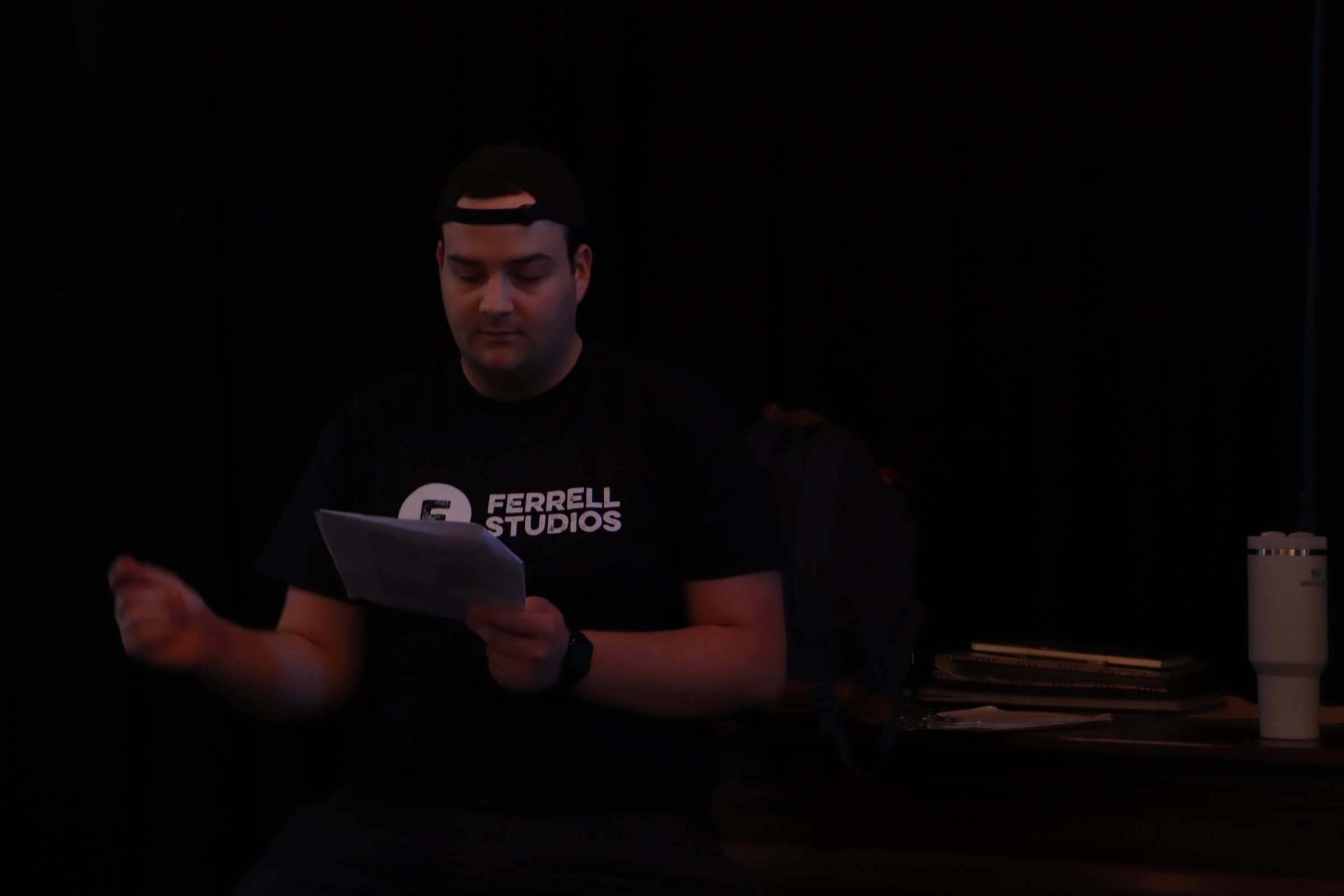
Workforce training · Ferrell Studios · Program Designer & Facilitator · Summer 2025
10-Week Intern Professional Development Program
A blended training program for undergraduate interns built around the eight NACE Career Readiness Competencies, producing SMART goals, resume bullets and a facilitated presentation for each intern's portfolio.
Design decisions
- Each week aligned to one NACE competency, with objectives, structured activities and reflection prompts.
- Choice-based asynchronous equity and inclusion module (LinkedIn Learning courses or curated HowlRound readings).
- Peer teaching from week 5: interns design and facilitate their own 25-minute competency sessions.
- Mid-point and final evaluations on NACE competency rubrics, submitted through Canvas.
- A parallel onboarding program for teaching artists joining Ferrell Studios.
Higher education · Rutgers University · Course Instructor & Designer
Peer Instructor Education (01:090:320)
A 3-credit course that works as an instructional design practicum: future peer instructors write four complete lesson plans through cycles of design, feedback, revision and practice teaching.
Design decisions
- Iterative lesson-plan cycle: draft, detailed written feedback, revision and resubmission.
- ABCD objectives taught and applied directly to students' own seminar designs.
- Live demo-teaching practicums with structured peer and instructor feedback.
- UDL modeled in every session and required in every lesson plan.
- Lesson plans assessed against NJ standards and FIGS program competencies.
K–12 curriculum · Ferrell Studios · Lead Curriculum Developer · 2022–now
Introduction to Theatre Arts, 9-week virtual course (ages 13–18)
A fully asynchronous, self-paced introduction to theatre arts aligned to the New Jersey Visual and Performing Arts standards, built with a team of virtual instructors and undergraduate education students.
Design decisions
- Explicit NJ VPA standards citations in each week's objectives, differentiated for HSI through HSIII.
- Choice-based assessments: a written paragraph or a 3-minute video response.
- EdPuzzle video lectures with embedded comprehension checks.
- A cumulative final: an original analysis of a play or musical of the student's choice.
Academic coaching · Rutgers Learning Centers · Academic Coach & Workshop Designer · 2024–now
Academic Coaching & Workshop Design
One-on-one coaching that starts with a needs assessment and produces a time-bound plan for time management, study skills, metacognition and goal-setting, plus group workshops on academic success.
Design decisions
- Individualized learning plans instead of generic skills workshops.
- Metacognitive frameworks so students learn how to learn: self-monitoring, self-evaluation and strategic adaptation.
- A separate coaching track for international undergraduates.
Sample work
Curricula and lesson plans
Lesson plans, activities and full curricula I've written for Rutgers University seminars, international student transition courses and secondary theatre classrooms.
Higher education
Rutgers University
Undergraduate · one credit
Exploring Theater: First-Year Interest Group Seminar
A seminar for first-year students exploring academic, career and campus opportunities related to theatre.
- Academic Success Lesson PlanGoogle Doc
- Personal Wellness Lesson PlanGoogle Doc
- Diversity & Inclusion Lesson PlanGoogle Doc
- Research in Theater ActivityGoogle Doc
Undergraduate
Academic Coaching for International Students & RU-FIT
Materials helping international undergraduates build academic strategies, navigate university expectations and manage the move to studying in the United States. RU-FIT is First-Year International Transition (01:090:124).
- Ethical AI Use ActivityGoogle Doc
- SQ3R Method Padlet ActivityGoogle Drive
- Office Hours Case Studies ActivityGoogle Doc
- Correcting Faculty Emails ActivityGoogle Doc
Secondary education
Theatre arts, grades 6–12
Ages 13–18 · 9 weeks
Introduction to Theatre Arts
A self-paced, standards-aligned introduction covering theatre history, genres, acting, directing, playwriting, design and musical theatre, developed with a team of virtual theatre instructors and undergraduate education students.
- Full Course CurriculumGoogle Doc · 9 weeks
Grades 6–8 · 12 weeks
Acting
Written for a performing arts academy: acting theory, approaching text and self-reflective practice. Students prepare two contrasting monologues and a scene for a final performance festival.
- Course Syllabus & ScheduleGoogle Doc · 12 weeks
- Monologue Peer FeedbackGoogle Doc
- Theater Roles & Stage Directions QuizGoogle Doc
- Brown Bag Introduction SpeechGoogle Doc
All documents open in a new tab.
Work together